The Manufacturing
Sportswear Manufacturing Process at Fitletiqo Sports
Every step of the production process can be made sustainable
Sportswear Manufacturing Process and Sustainability
Sportswear Manufacturing Process sustainability goes far beyond identifying where products originate or which raw materials are used. Instead, responsible production evaluates the entire manufacturing lifecycle, from sourcing to final delivery. As a result, globally recognized certifications help manufacturers make informed decisions aligned with sustainable manufacturing practices.
Certification and Ethical Oversight
Manufacturers regularly undergo audits by independent certification bodies that actively assess compliance with environmental, organic, and ethical manufacturing standards. However, not all certification systems work the same way. Some focus on a single production stage, while others evaluate the entire supply chain to ensure accountability at every level.
Environmental and Social Responsibility
These certifications examine whether manufacturers use organically sourced or recycled materials and apply environmentally responsible production methods. Additionally, they evaluate how companies protect natural resources, support local communities, and maintain fair labor practices. This approach ensures transparency across both environmental and social responsibilities.
Why Holistic Certification Matters
For example, an organic label confirms that materials grow without harmful chemicals and respect natural ecosystems. However, it does not always address employee working conditions or later processing stages. Similarly, certifications that focus only on fair wages may overlook how raw materials are produced. Therefore, holistic certification systems play a critical role by evaluating environmental impact, ethical responsibility, and operational integrity together. These comprehensive standards guide our manufacturing operations at every stage.

If you want organic material, look for GOTS
The GOTS (Global Organic Textile Standard) is one of the world’s most stringent certifications that monitors standards for the processing of textiles, particularly organic fibres. To obtain and maintain this label, producers must be regularly inspected by independent bodies and meet the requirements for careful and ethical practices throughout the production process. This way, GOTS covers the life cycle of textiles from crops through processing to printing and finishing.
The primary focus of the GOTS criteria is on the proportion of organic fibres, environmentally friendly production practices and responsible management of natural resources and waste. The use of hazardous chemicals is prohibited throughout the production process, whether in the form of harmful pesticides during cultivation or toxic paints during subsequent processing steps. The GOTS system also sets out requirements for a safe working environment and fair pay for workers.
Our Manufacturing Process
Each step engineered for quality, consistency, and excellence.
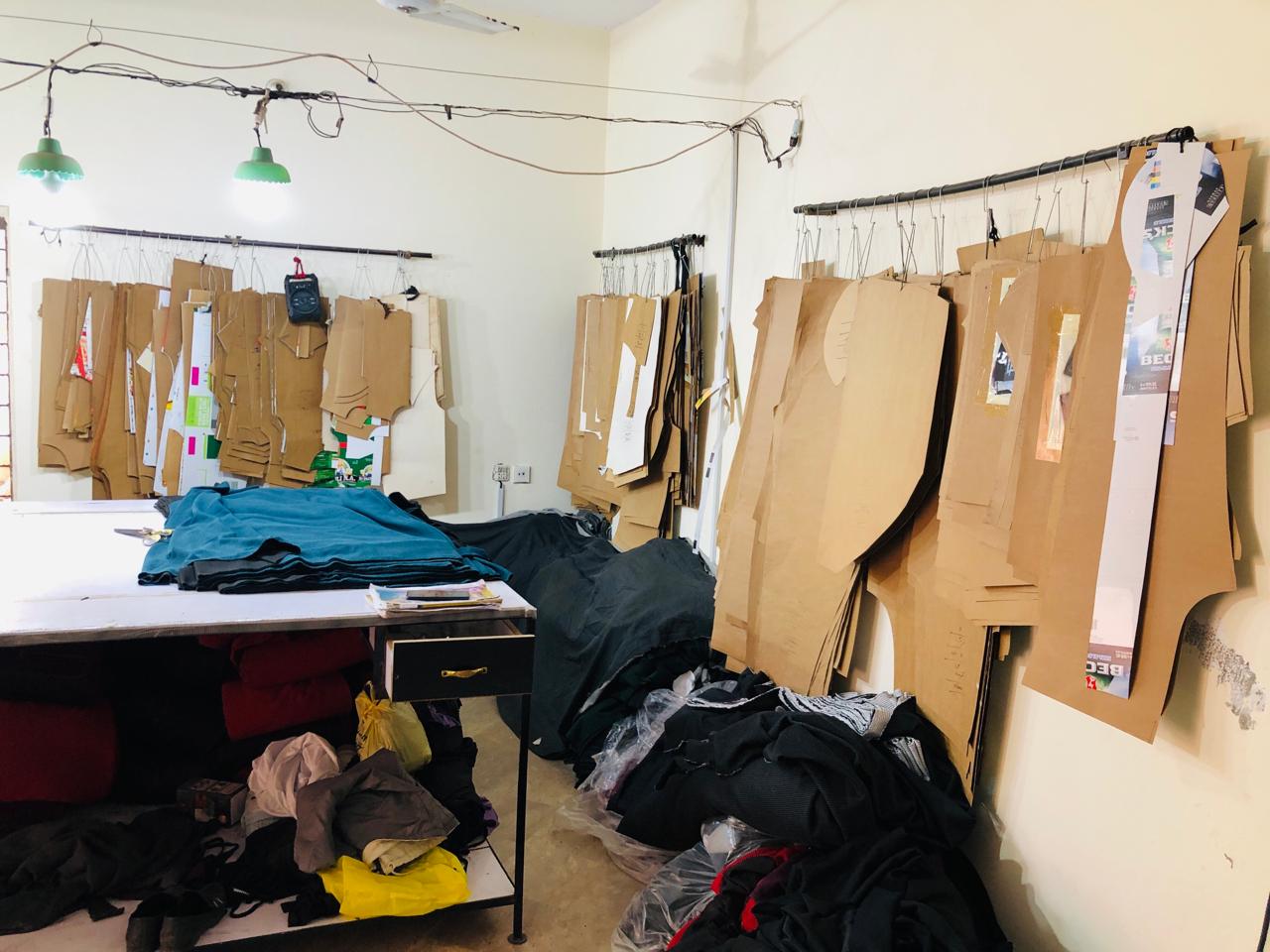
Pattern Room
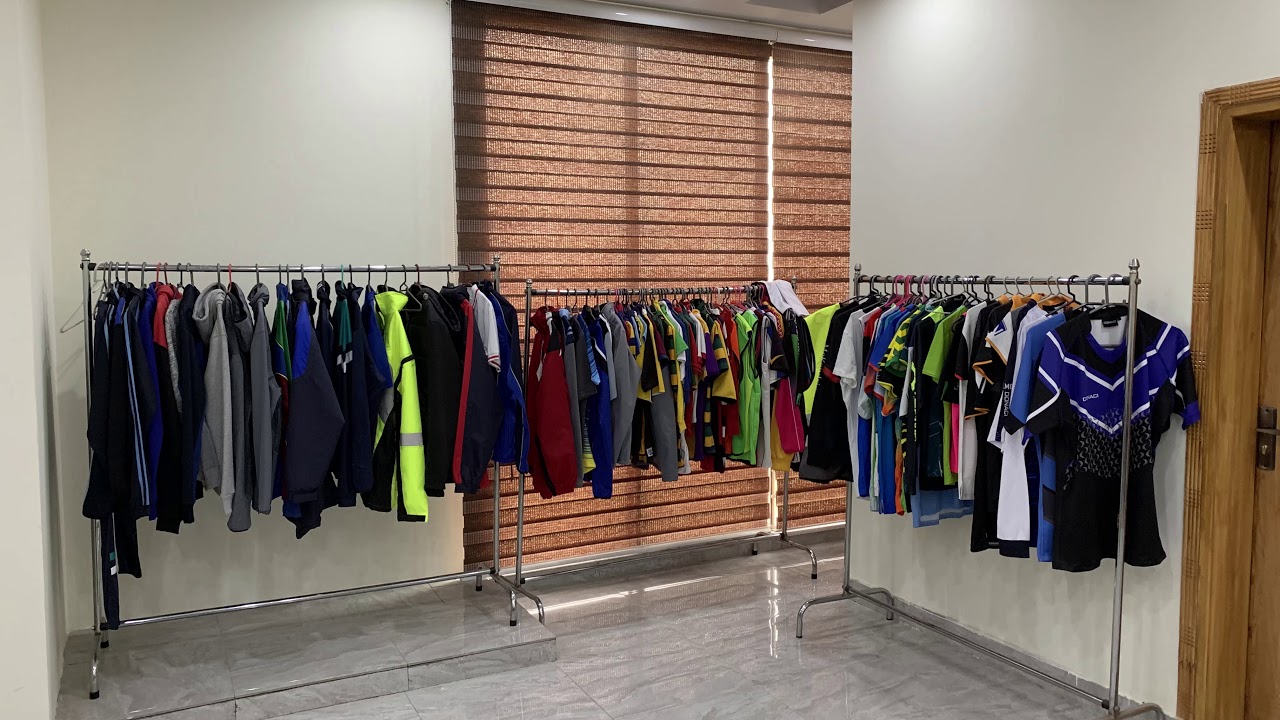
Sample Room
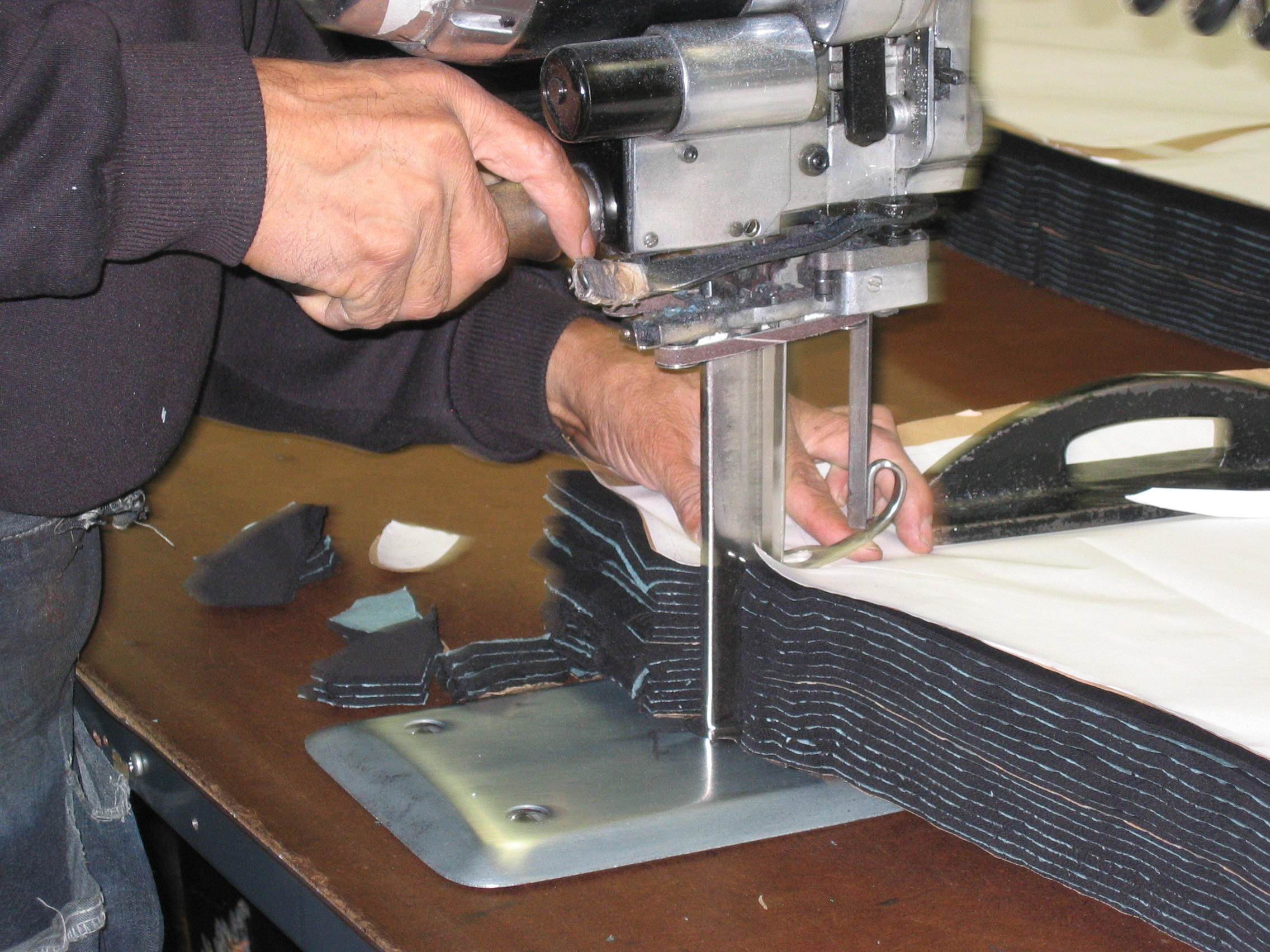
Cutting
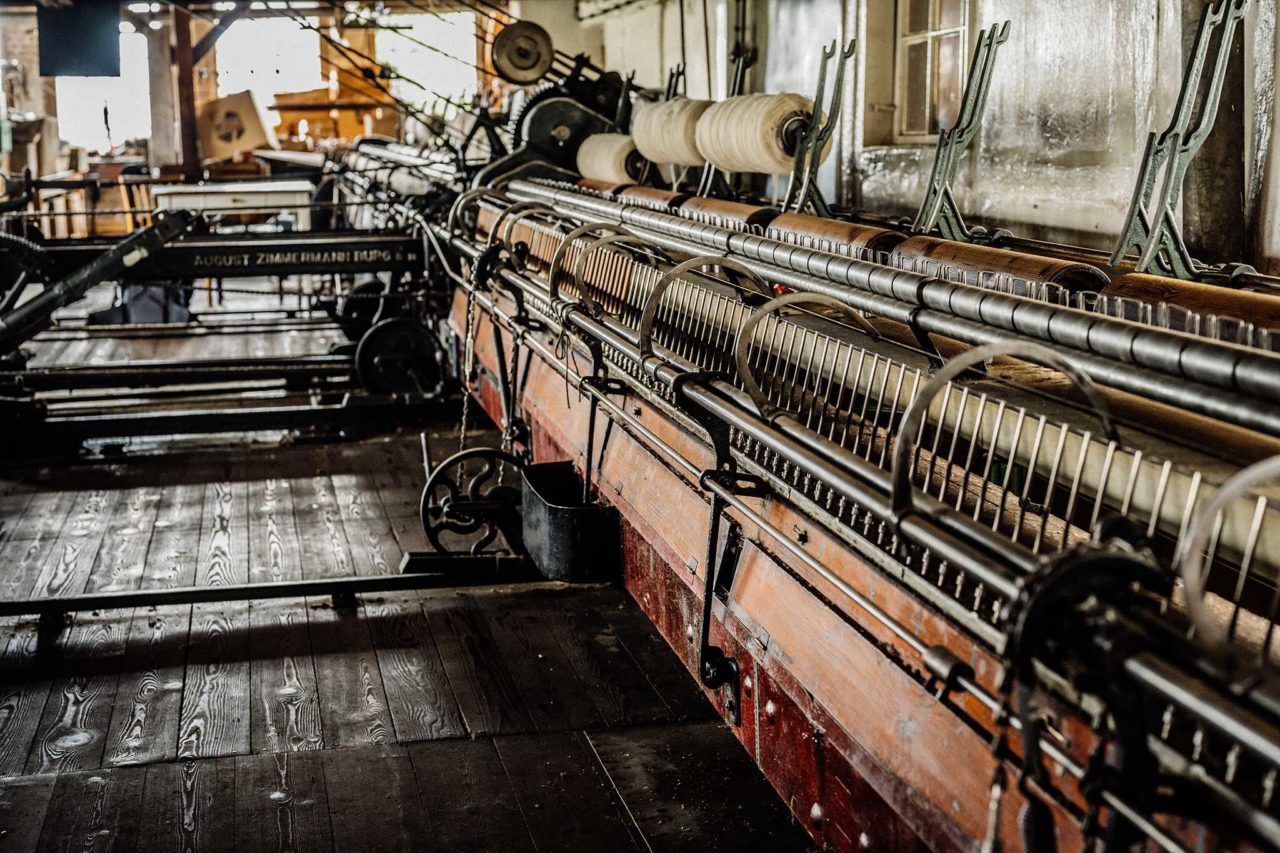
Knitting
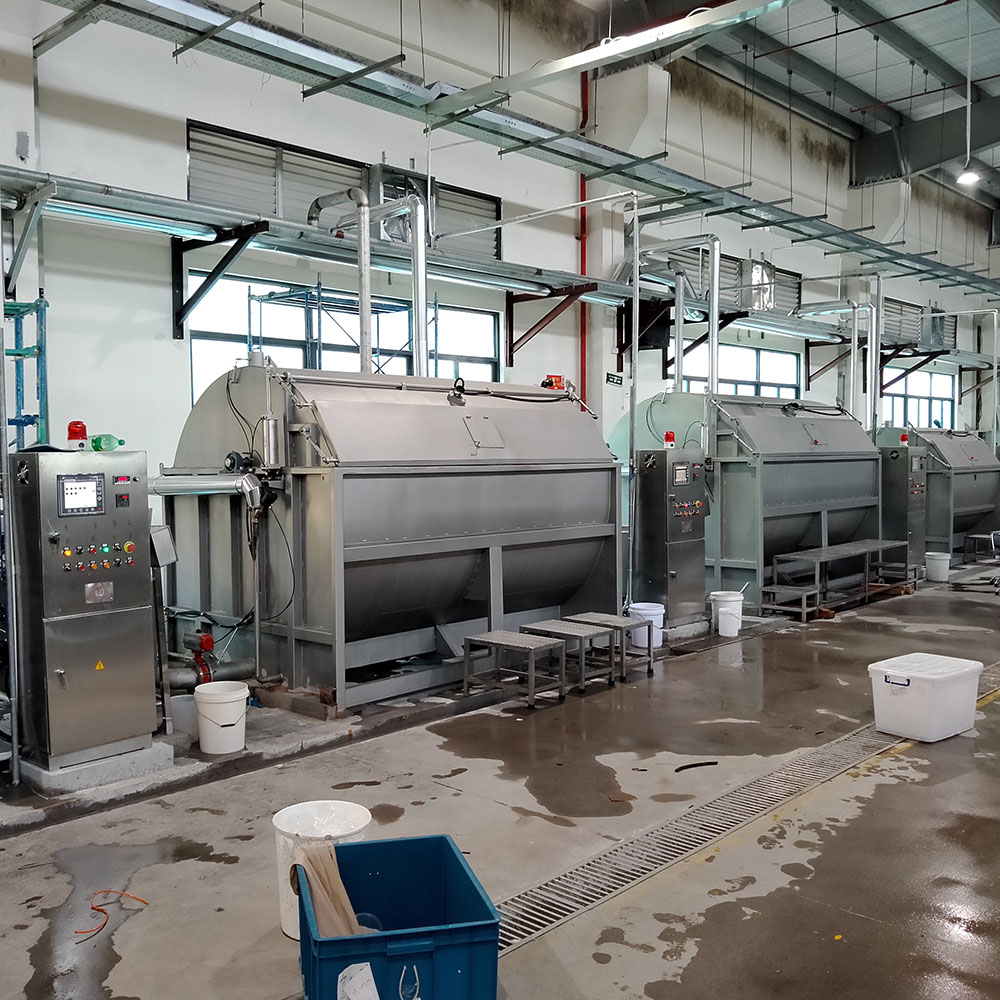
Dyeing
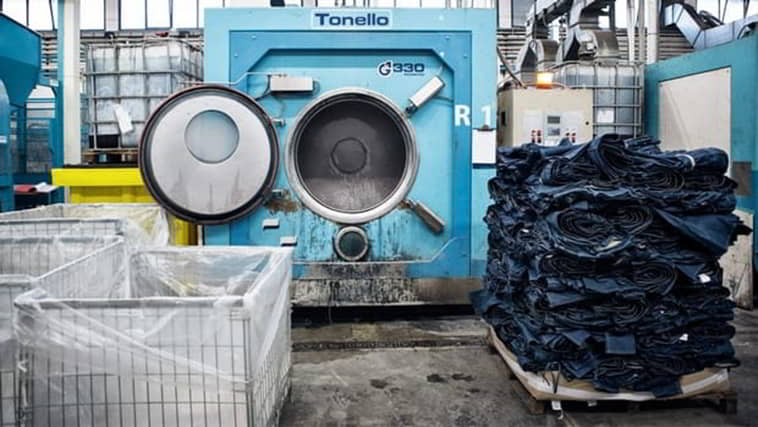
Acid Wash
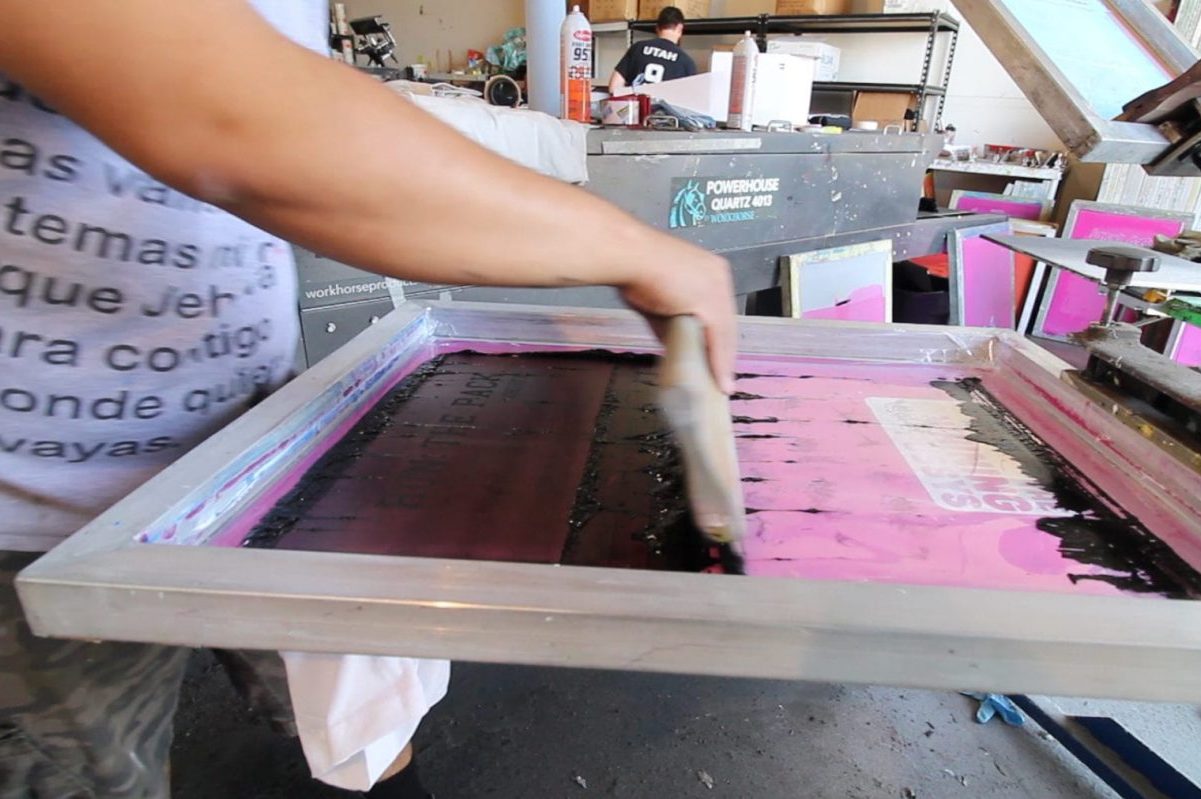
Screen Printing
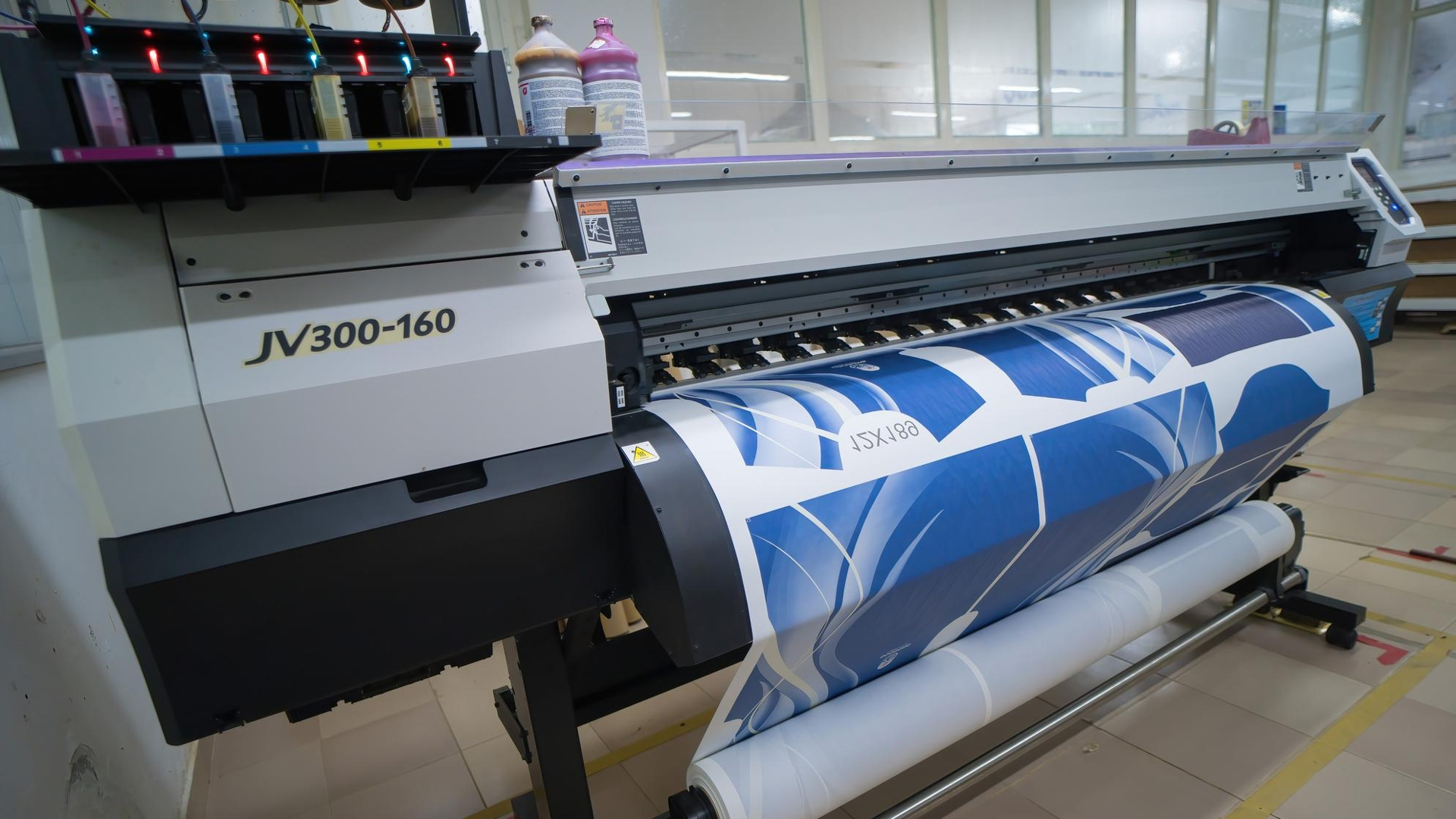
Sublimation Printing
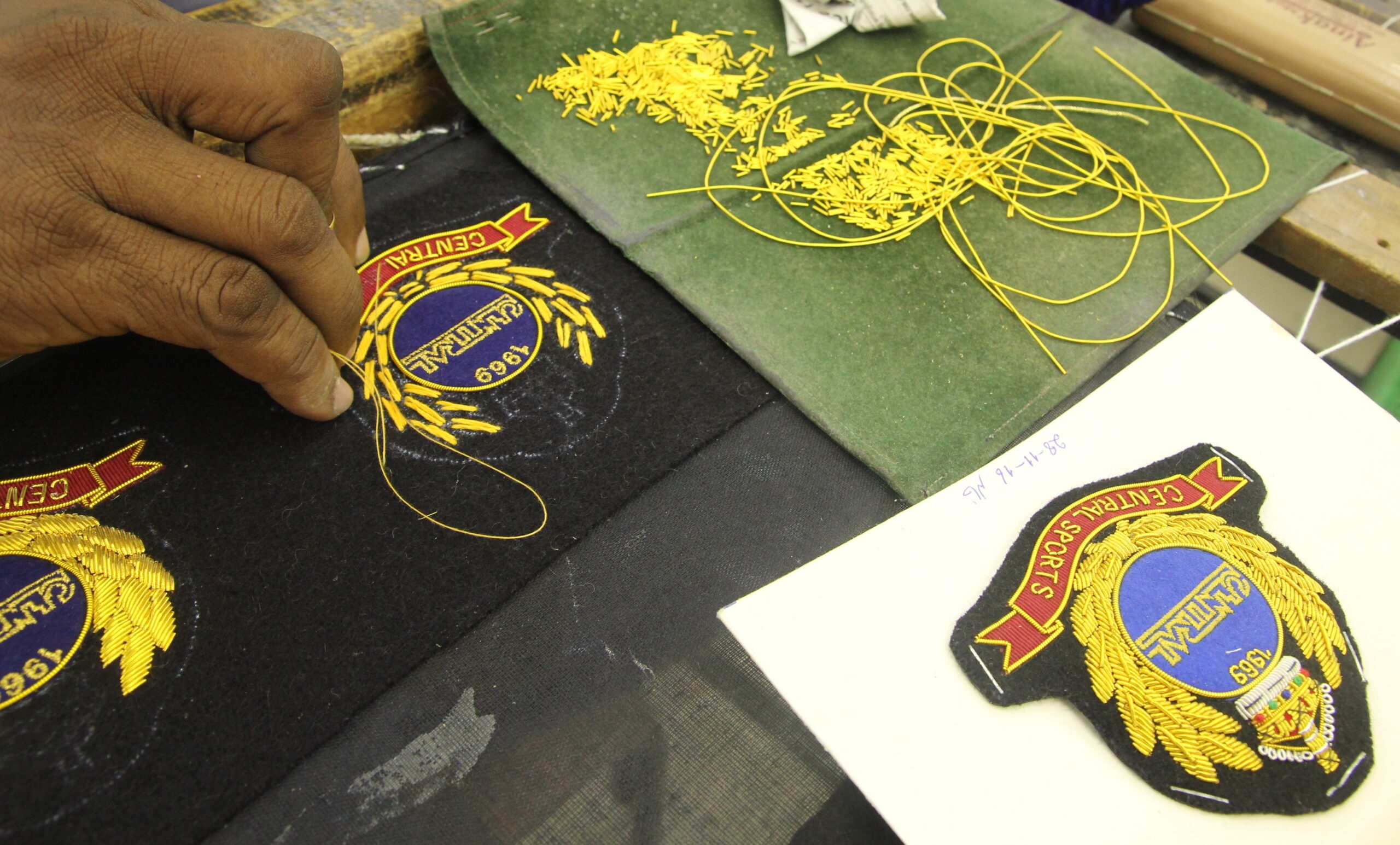
Hand Embroidery
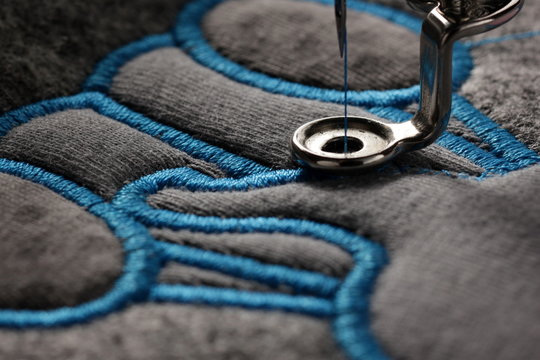
Machine Embroidery
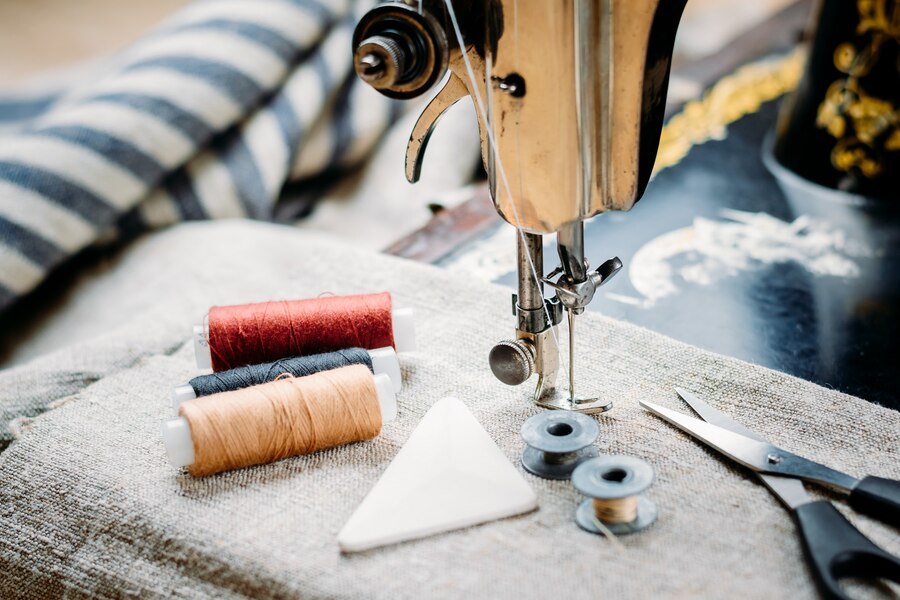
Stitching
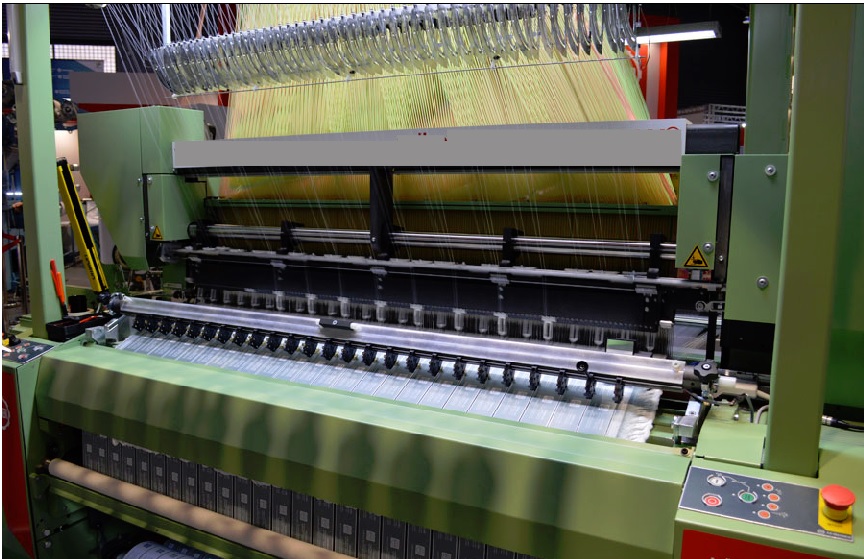
Woven Label
Packing
What does the sportswear manufacturing process include?
The sportswear manufacturing process includes design development, fabric sourcing, cutting, stitching, quality control, packaging, and global delivery.
How do you ensure quality during manufacturing?
We follow strict quality control protocols at every stage, including material inspection, in-process checks, and final product evaluation.
Can the manufacturing process be customized for brands?
Yes, our manufacturing process is flexible and allows customization in design, fabric choice, sizing, and branding.
Do you manufacture for USA and UK standards?
Yes, our processes are aligned with the quality and compliance expectations of both US and UK markets.
What types of products are manufactured through this process?
We manufacture gym wear, activewear, compression apparel, training wear, and custom sports uniforms.