Fabric
Premium Sports Fabrics
Industry-leading textile solutions engineered for athletic performance and durability.
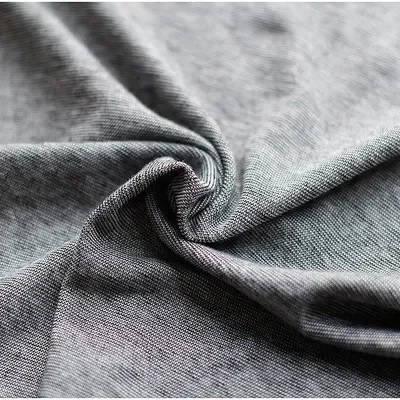
SINGLE JERSEY SLUB
Fine weft knitted fabric with characteristic structure of slub fabric. To achieve this final effect, a yarn with thicker and thinner sections is used throughout the length which are created by varying the tightness of the twist. This fabric is also characterized by its elasticity.
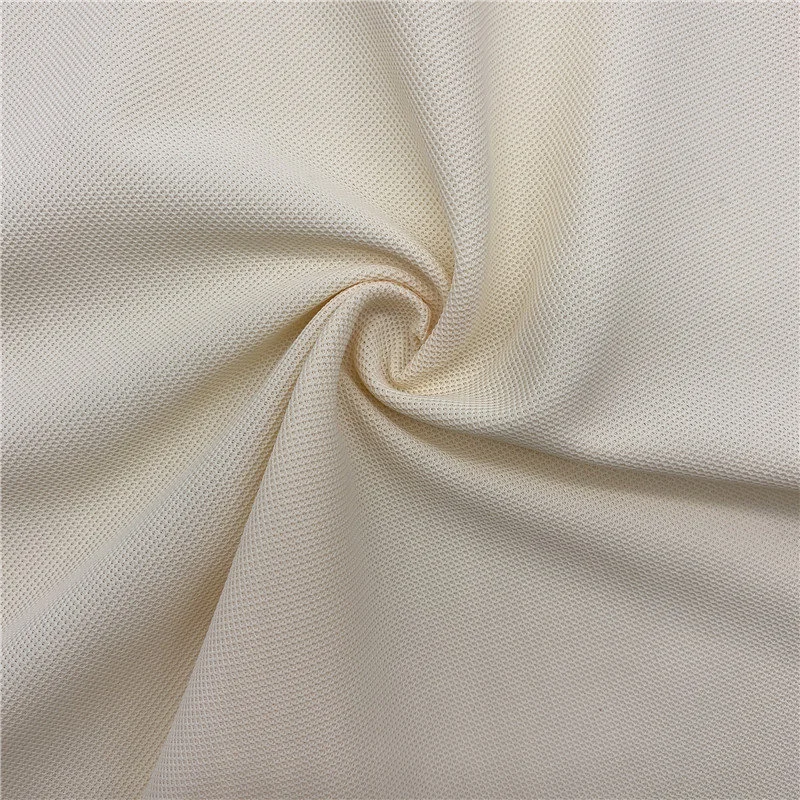
PIQUE
Weft knitted fabric patterned with geometrical relief on outside. On the reverse side it is enhanced with supplementary thread. This type of knitting is popular for production of polo shirts and plain weaving ideal for sports and leisure activities. The products made from it are breathable and easy to maintain.
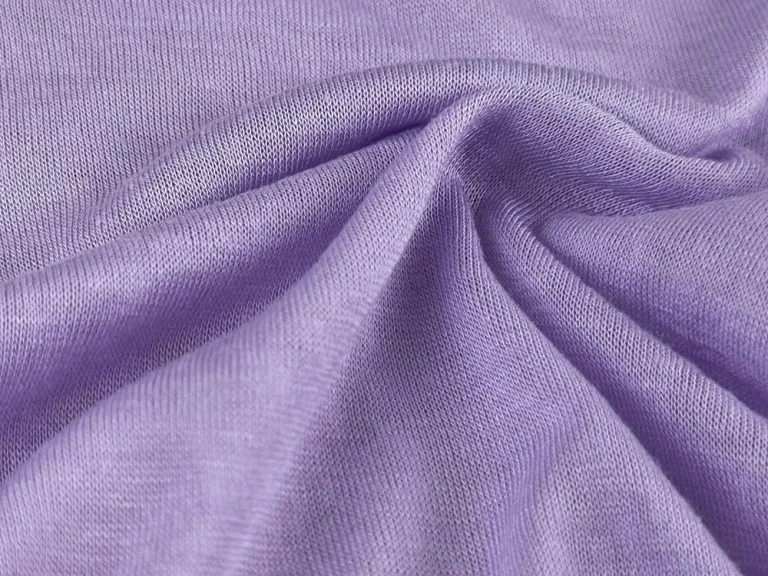
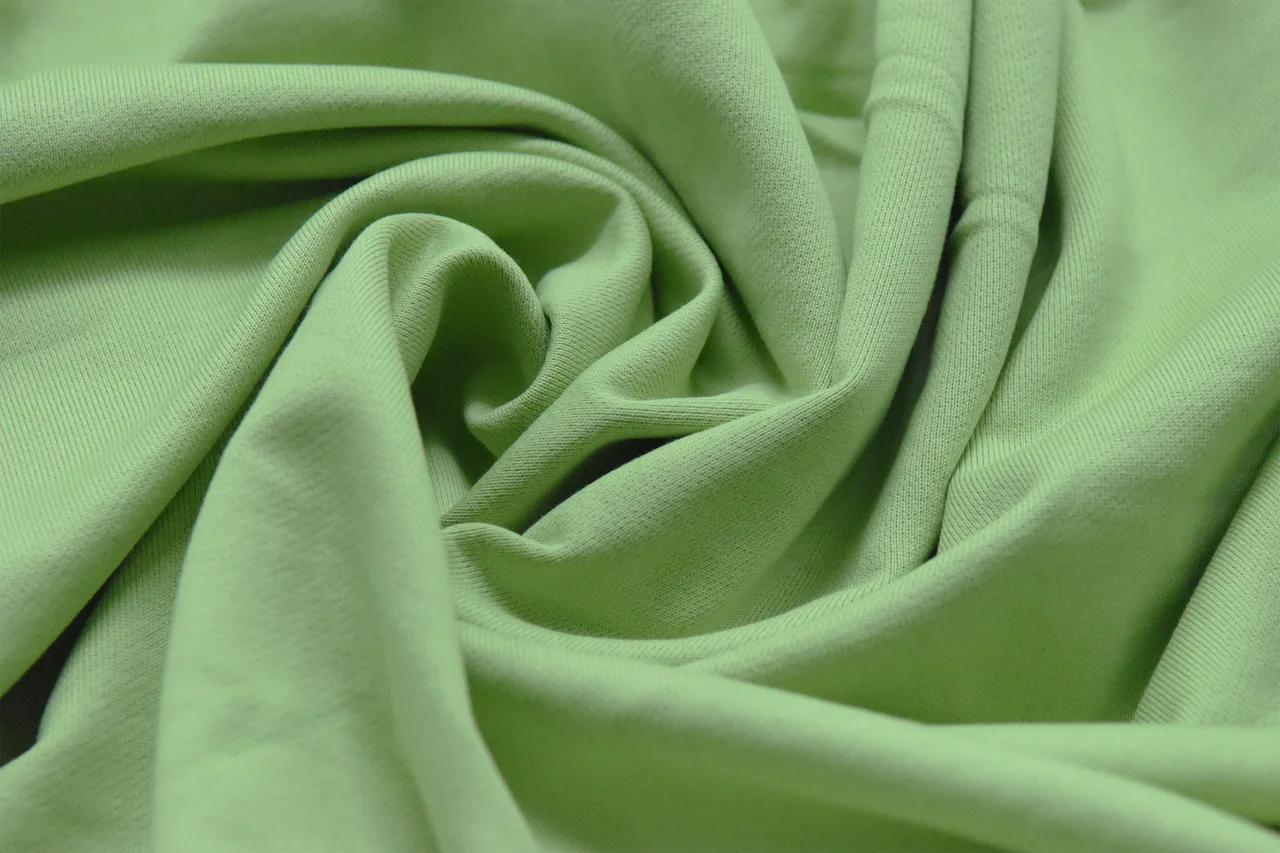
SINGLE JERSEY
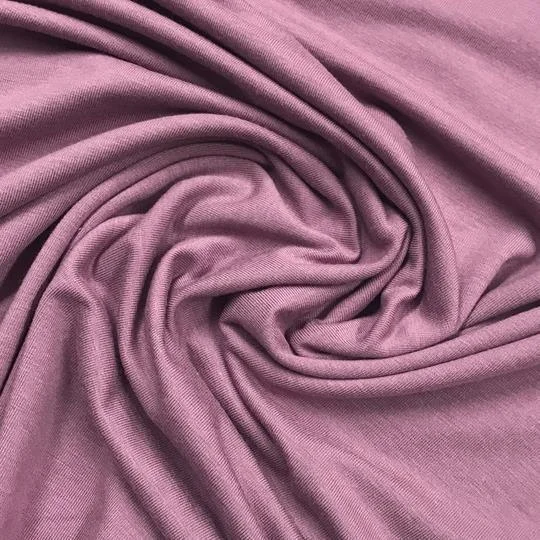
Fine weft knitted fabric with characteristic dendritic columns on the outside and arches on the reverse side. The weave features ductility, softness and easy unstitching. The quality of the final product depends on the thread used for making the fabric. Products are manufactured from high quality ring spun thread.
INTERLOCK PIQUE
Warp knitted fabric with a pattern in which two fully interlocking rows alternate with a one-face row. One side of the knitted fabric has twilled separate stitches while the other side is plain. This type of knitting is popular for production of polo shirts and plain weaving ideal for sports and leisure activities. The products made from it are breathable and easy to maintain.
DOUBLE
FACE
Double face knitting also called double-sided. The wave is densely alternating front and back uprights on the outside and reverse material sides. In the unstretched position only front stitches are visible, reverse stitches are visible only while stretched. This knitted fabric looks identically from the back and it is highly elastic in the transverse direction.
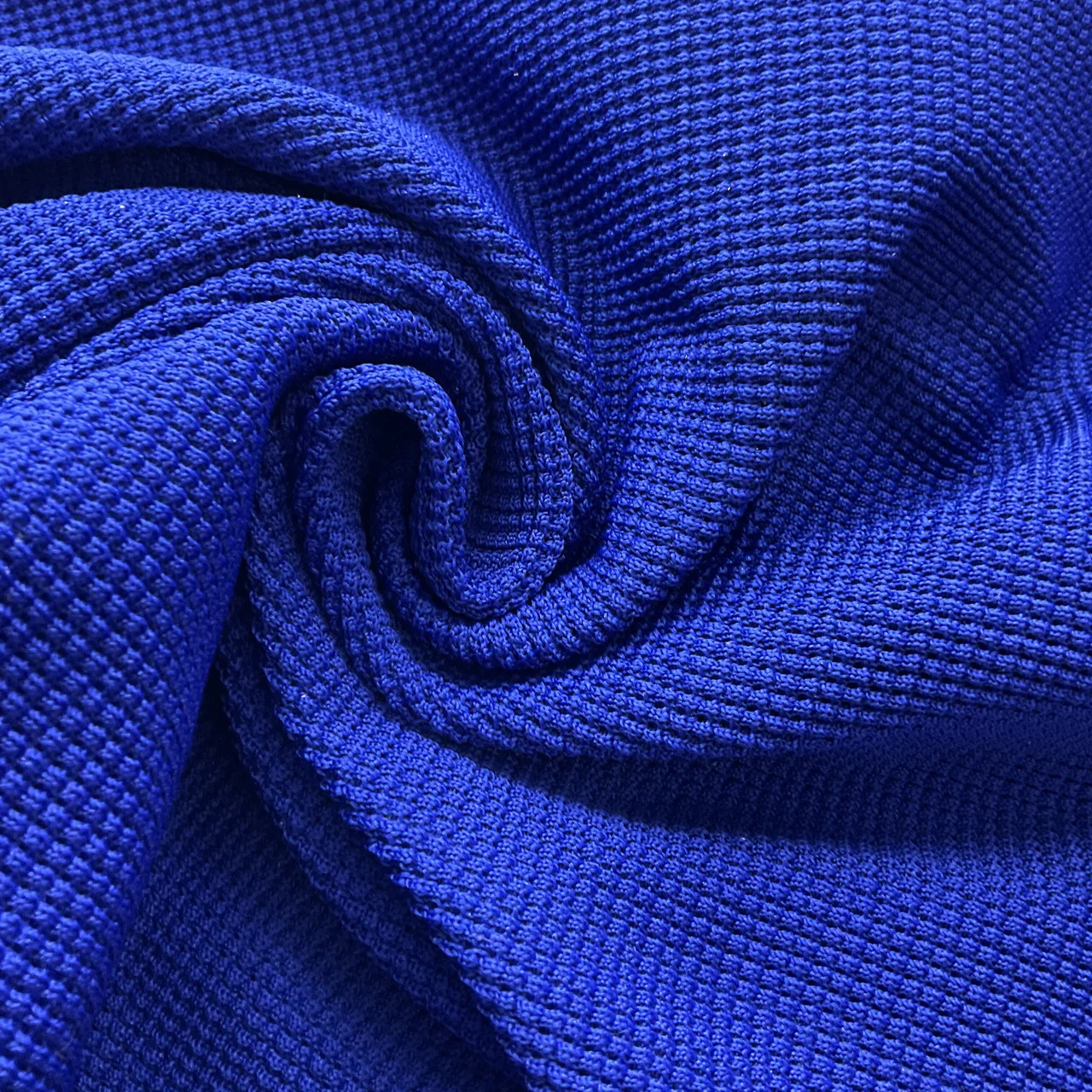
GRID KNIT
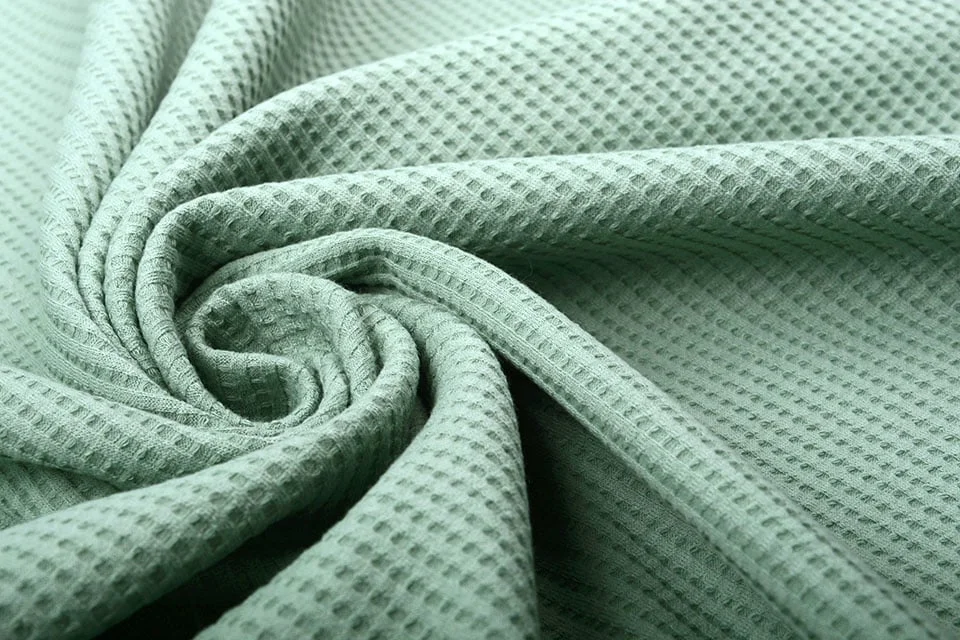
Quick-drying, breathable knit for the production of modern, functional clothing. The special grid structure perfectly moves moisture away from the body and expands it onto the fabric surface for fast drying, making it feel fresh, dry but also cooling the body. High elasticity ensures maximum comfort during wear.
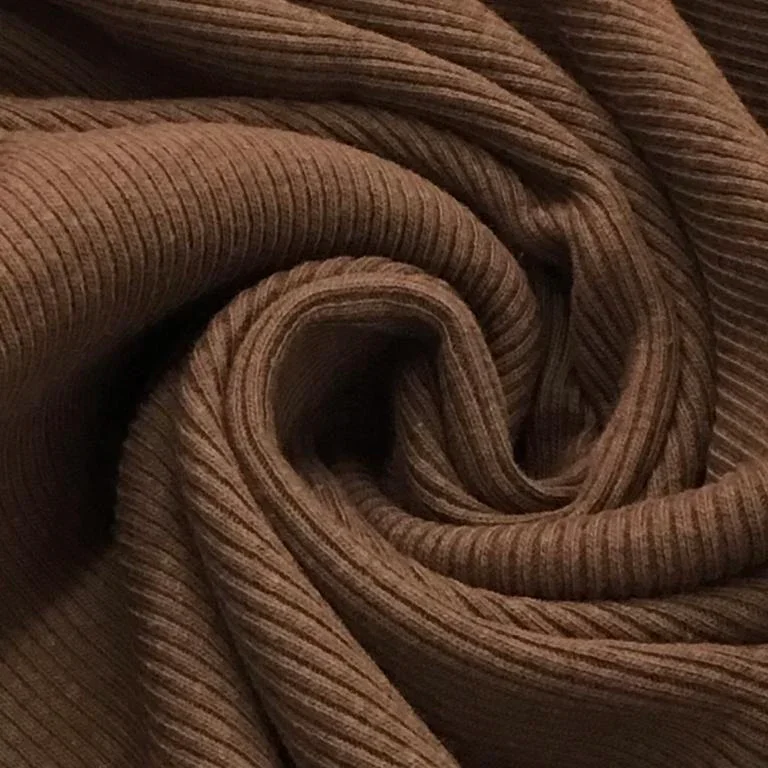
RIB KNIT
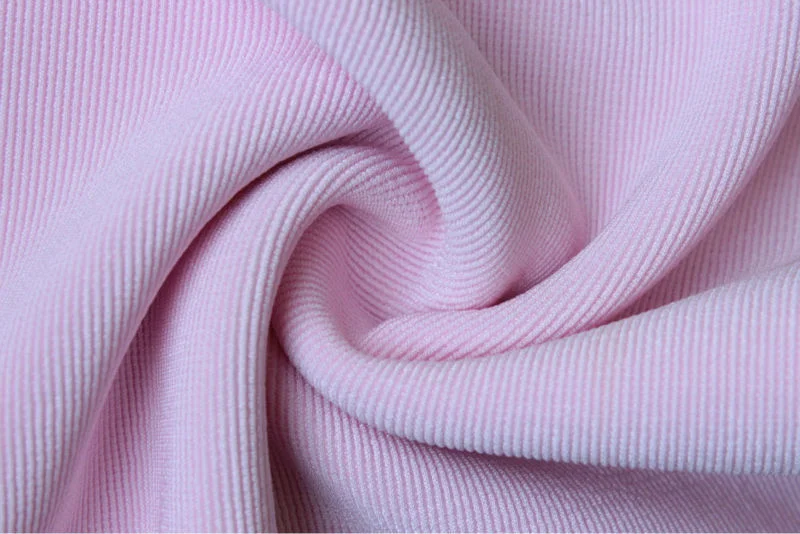
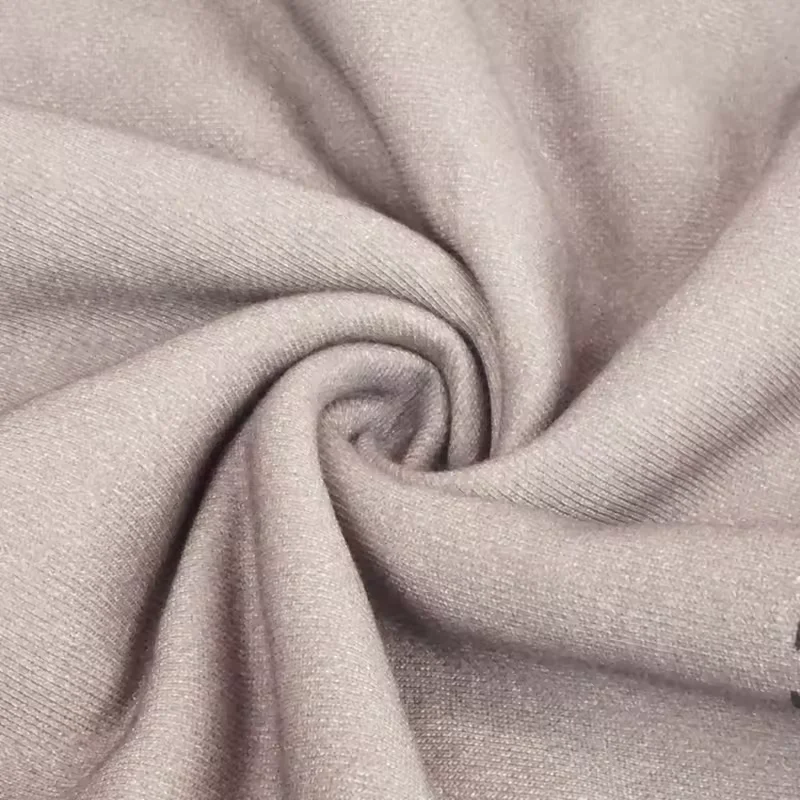
Double-sided knitted fabric consisting of rib pattern indicated by 1:1 or 2:2. This information determines the ratio of regularly alternating vertical stripes of stockinette stitch with vertical stripes of reverse stockinette stitch. Rib knit fabric is elastic and it is mostly used for collars, cuffs, plackets and hem of polo shirts and sweatshirts.
FRENCH TERRY – not brushed
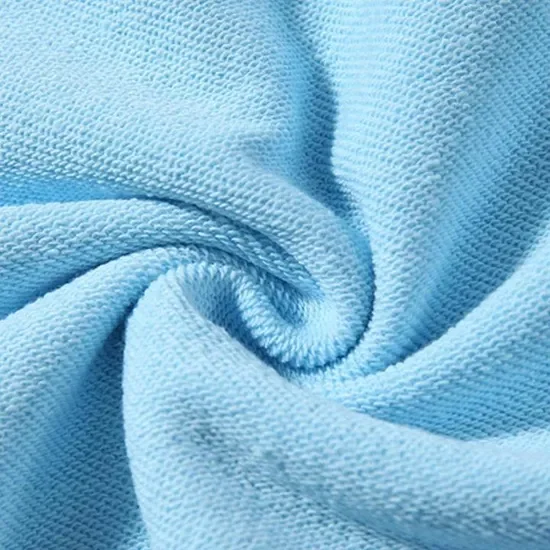
Weft knitted fabric with characteristic dendritic columns on the outside and arches on the reverse side. The weave is enhanced with supplementary thread that leads along the reverse side of the fabric. The supplementary thread increases strength, absorption as well as the volume of the fabric.
FRENCH TERRY – brushed
Weft knitted fabric with characteristic dendritic columns on the outside and brushed soft on the reverse side. Reverse side of the material enhanced with supplementary thread is fluffed by mechanical process. Such way treated surface has a larger volume and shows warmer properties.
STRETCH FLEECE
Smooth outside, brushed inside functional stretch knit fabric with great thermo isolating properties. It is soft, lightweight, breathable and quick-drying material. It is suitable for sports and physical activities. Inner part of the material has antipilling finish.
FLEECE
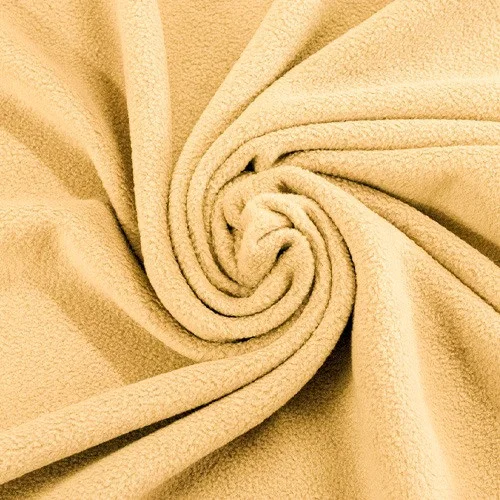
Weft knitted fabric characteristic with brushed dense teaseled soft surface on both sides of the material. It has outstanding insulating attributes, long lifetime and easy-care. Material can be treated with antipilling finish. Products are suitable for embroidery and laser engraving.
PLAIN WEAVE
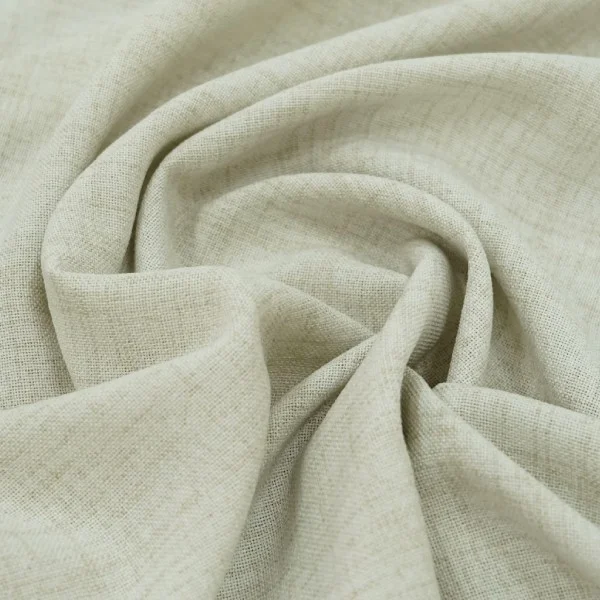
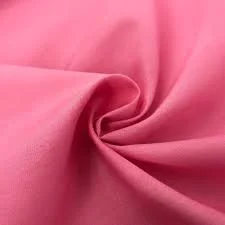
Plain weave fabric is made of strong, regularly repeating weave that has the same appearance on the outside and reverse side. With its simple and dense interlacing, it creates a steady and smooth surface suitable for printing and embroidery. Plain weave fabrics are manufactured from high quality combed cotton or polyester.
POPLIN
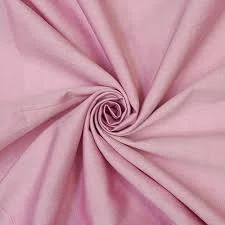
Mostly used type of material for shirts production. It is extremely soft, pleasant to the touch, though stiff enough. It is made by a plain weave wave which has a higher amount of warp than weft threads.
MICRO TWILL
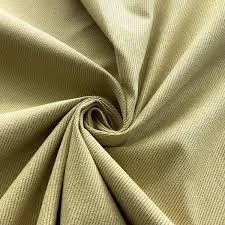
The use of two-fold composition yarn with high density 100/2 occurs a very petty threading. This creates a thin, but effective diagonal lines that gives the twill weave an elegant and modern look. It is a popular non - wrinkling fabric with high breathability and soft feeling.
OXFORD
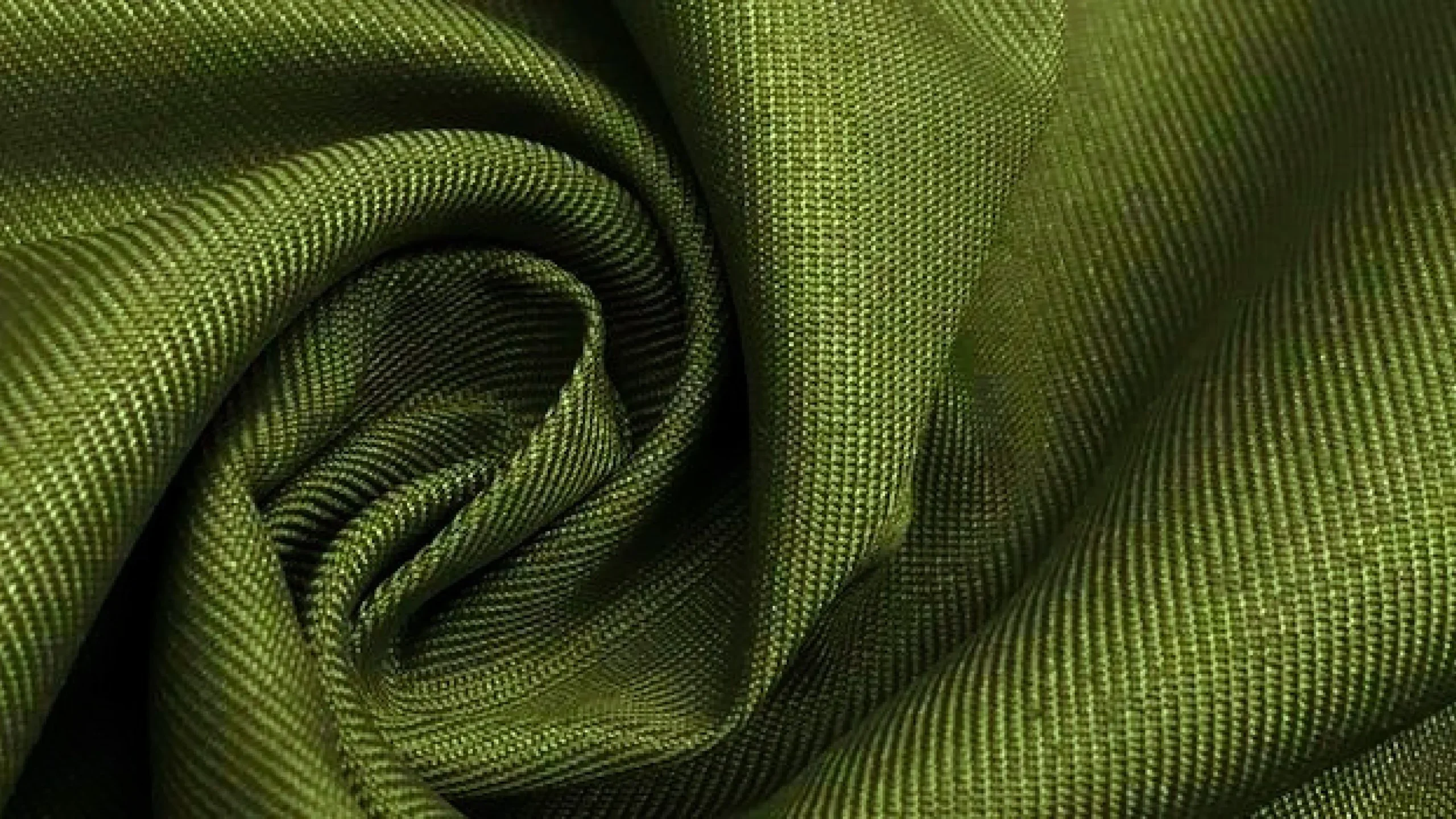
Wave derived from canvas wave. The difference is that there are at least doubled yarns alternating when fabricating the fabric. Oxford is shinier than canvas. It has a wide range of use. It can be made from natural or synthetic yarns.
RIP STOP
Very strong regularly repeating wave. In this smoth fabric are interwoven thick warp and weft treads in the intervals of 5 - 8 mm. The surface gets an effect of a grided structure. This imaginary grid significantly increases the fabric rip and tear resistancy.
TWILL
Wave characteristic by diagonal spacing that is regularly repeated. It consists of alternating the system of warp and weft yarns. The fabric is very robust, tear-resistant and easy-care. The most common use of twill wave is in denim or workwear. The material is also popular for caps production. It can be smooth or brushed. The brush finishing makes the surface softer with matte appearance.
TERRY
Loop fabric consists of solid loops on both sides of the material. It is a three-dimensional fabric with very soft touch and excellent absorbent properties. It is ideal for towels and bath towels production in the material composition of 100% cotton or blend of bamboo fibre and cotton.
NONWOVEN FABRIC
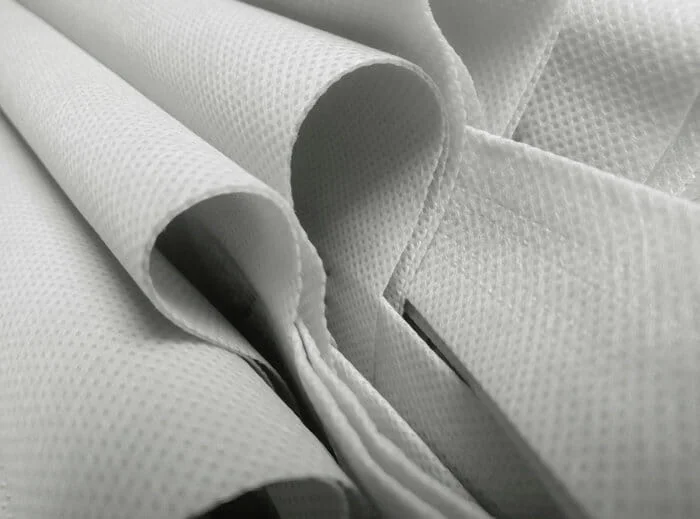
Fabric produced without knitting or weaving. Input material is a polypropylene polymer melt. The result is a smooth, flat, porous fabric with a relatively high tensile strength and low abrasion and bending strength. The material is popular in the industry due to low acquisition costs and good filtration and insulation properties.
Printing Types
Industry-leading textile solutions engineered for athletic performance and durability.
DIGITAL PRINTING
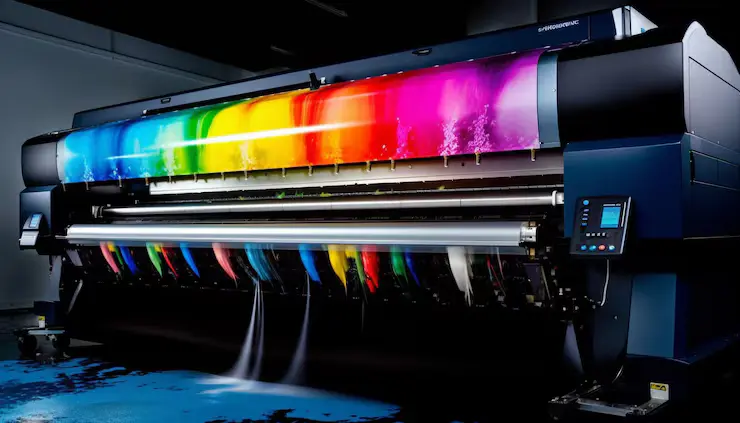
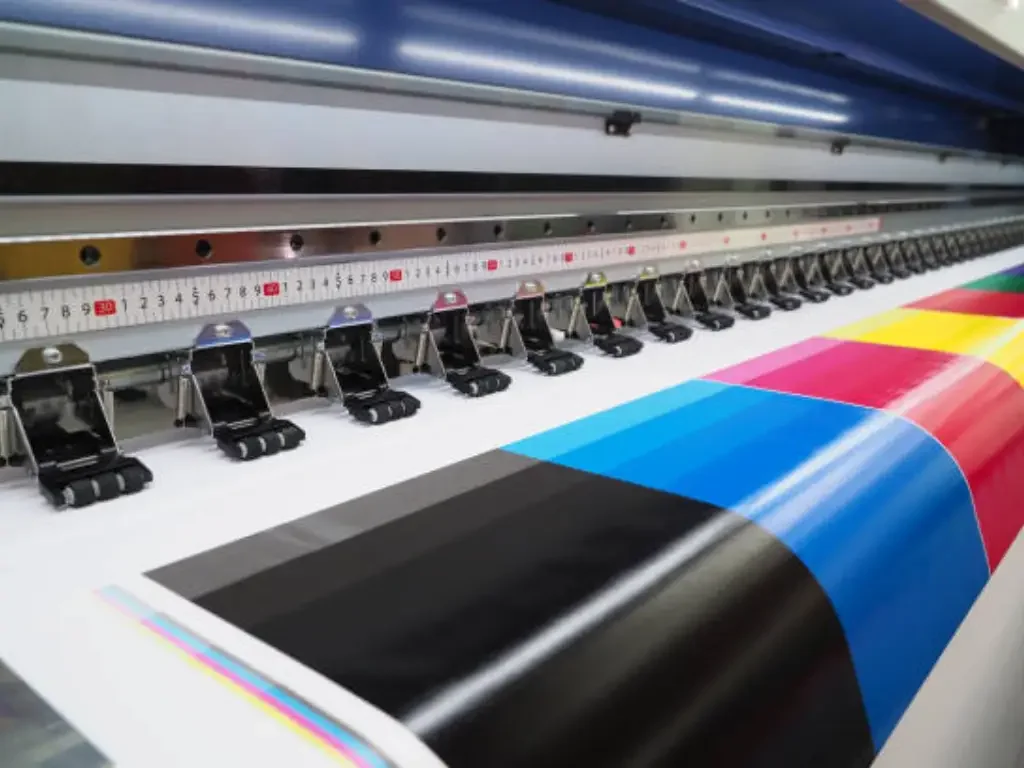
An ideal technology for orders of a low quantity. A direct print is made on a state-of-the-art KORNIT® printer by using special water-based pigmented inks. The printing is of a photo quality and resolution and is guaranteed to be wash-resistant up to 40 °C.
SUBLIMATION PRINTING
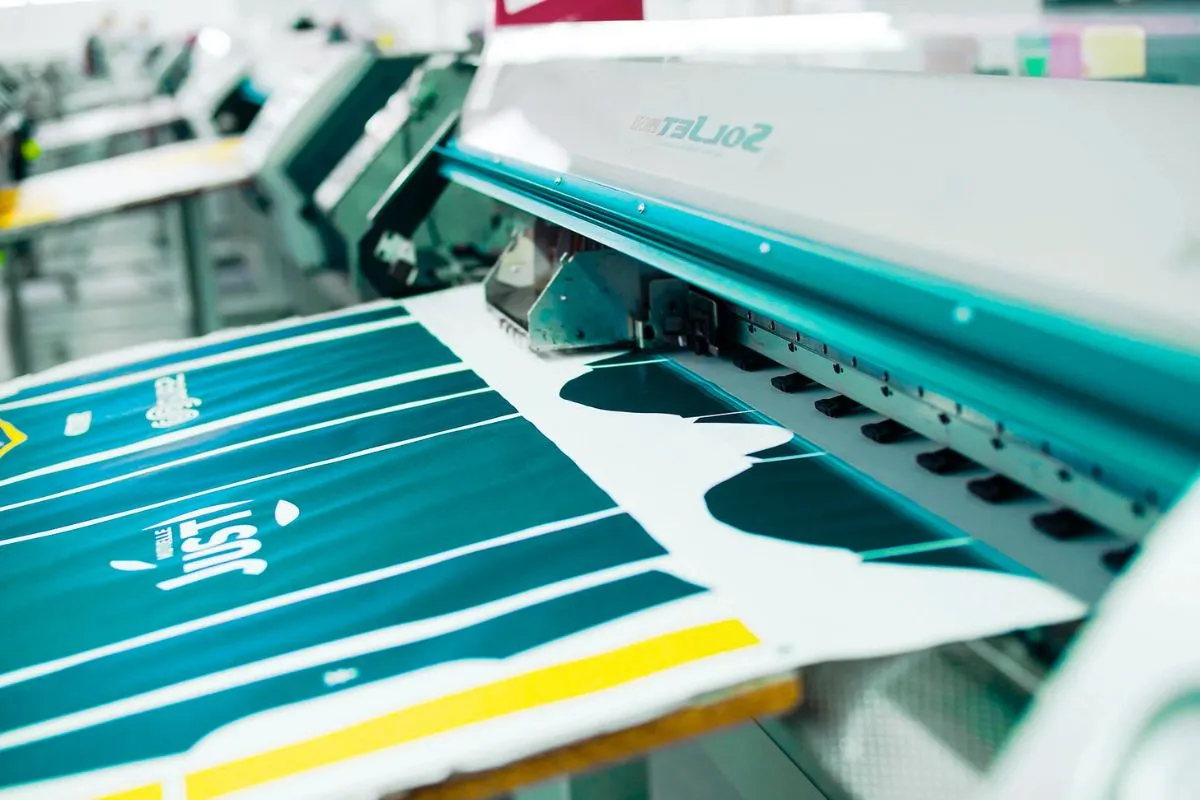
Is suitable for textiles made of at least 65 % synthetic fibre. Disperse dye is printed on a sublimation paper underlay from which it is transferred to the textile in the form of vapour by using heat and pressure. The stability of colours is very good, imitations (significantly more expensive) of colourful woven goods are barely distinguishable from originals. In addition, the original material properties such as breathability and washability are preserved. This printing method is ideal for transferring photographs and is suitable for piece as well as serial production.
SILK-SCREEN PRINTING
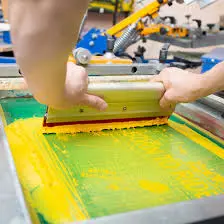
The oldest and so far, the most effective textile printing technology. We use a machine which enables us to reach high daily production (up to 15 000 prints) while maintaining the same print quality from the first to the last print of the order. Thanks to this technology we are able to print practically any motif - from the simple and monochromatic to the photo-realistic one. The printing is guaranteed to be wash-resistant up to 40 °C. The printing can be ironed from the reverse side.
TRANSFER
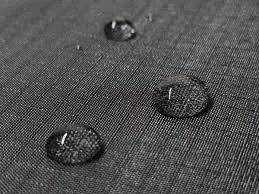
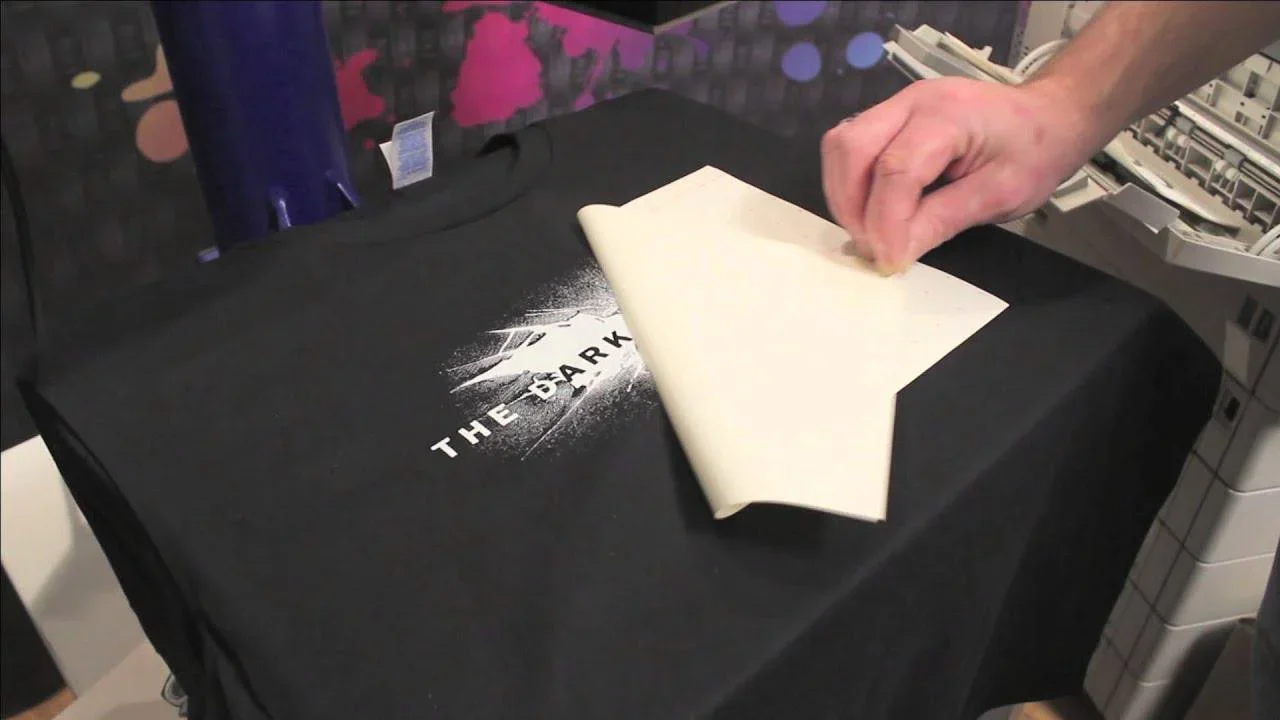
Method where the design is first printed, using silk-screen, onto a transfer foil, fixed by glue and then transferred from the foil to the textile with heat and pressure. It ‘s a very versatile method, usable on almost any textile, and is used mainly when direct silkscreen print is not possible. Only water repellent materials are unsuitable for this type of printing, and the printed clothes can be ironed from the other side.
LASER ENGRAVING
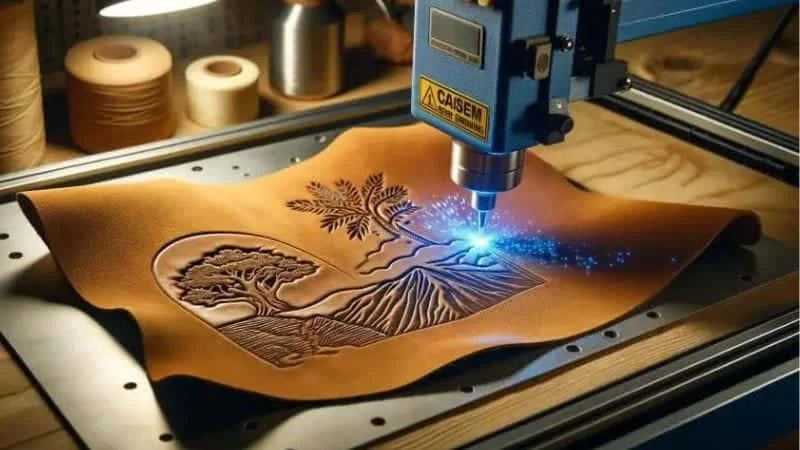
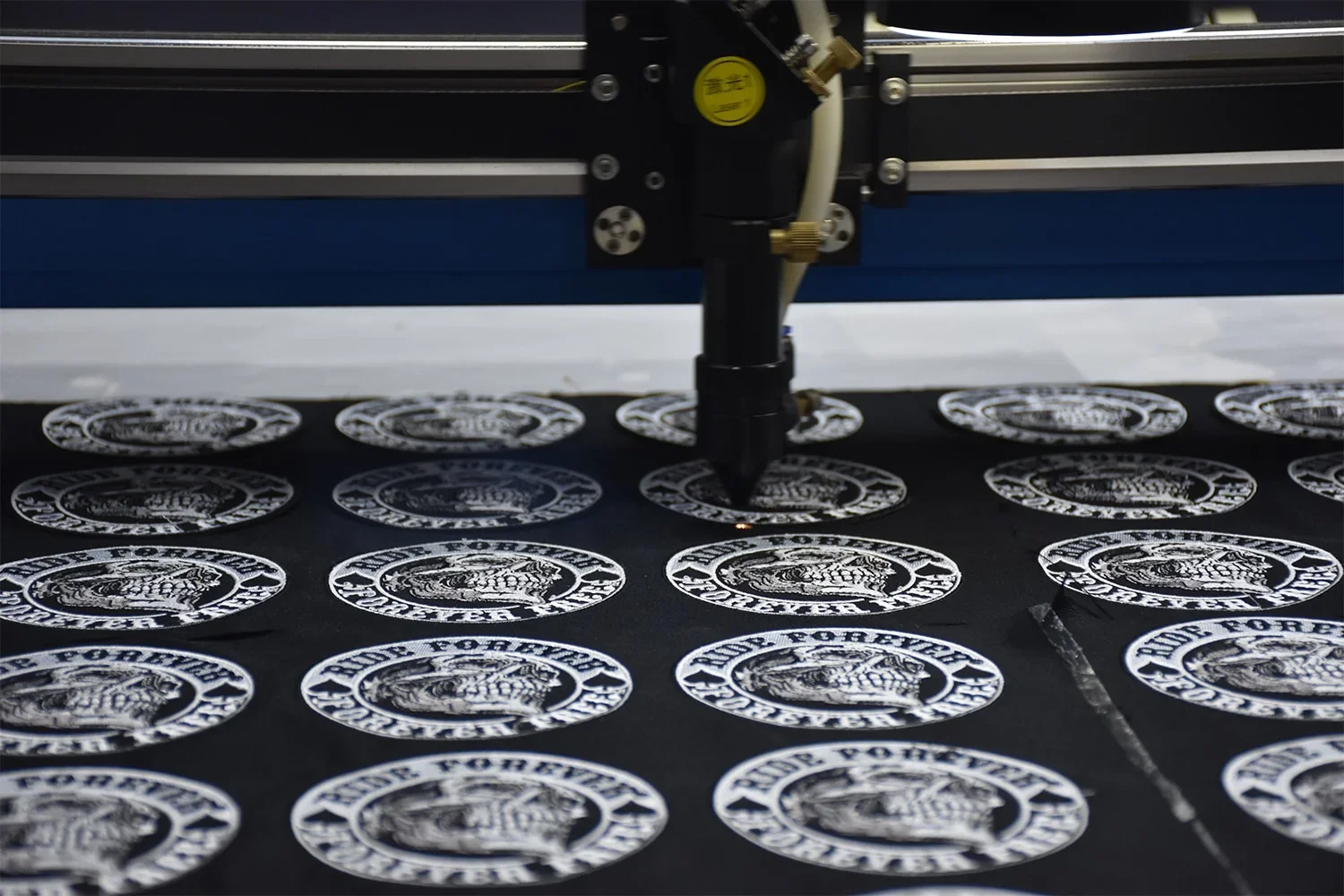
The modern technology allows engraving on the textile by using a laser beam. It is unique and so far, uncommon branding of fleece products. The final motif is burnt into the fabric (it’s plastic) and so lasting forever. Since there is no paint or yarn application, the resulting graphic is unicolour - same colour as the textile.
EMBROIDERY
This is a very high-quality way of presenting motives, logos or slogans on textile products. To be able to sew a certain motif onto a product we have to create an embroidery pattern for which we need to get a high-quality digitized model(.tif, .cdr, .pdf, .ai, .epg). Then your design is transferred into the sewing machine’s program and is embroidered either directly on the product, or in the form of a patch sewn or glued on it.
PRESSING
Suitable for 100% cotton products without buttons and zips that could be damaged by the pressure. This technology enables pressing of products into a shape chosen by you so you get an unusual gift or promotional item.